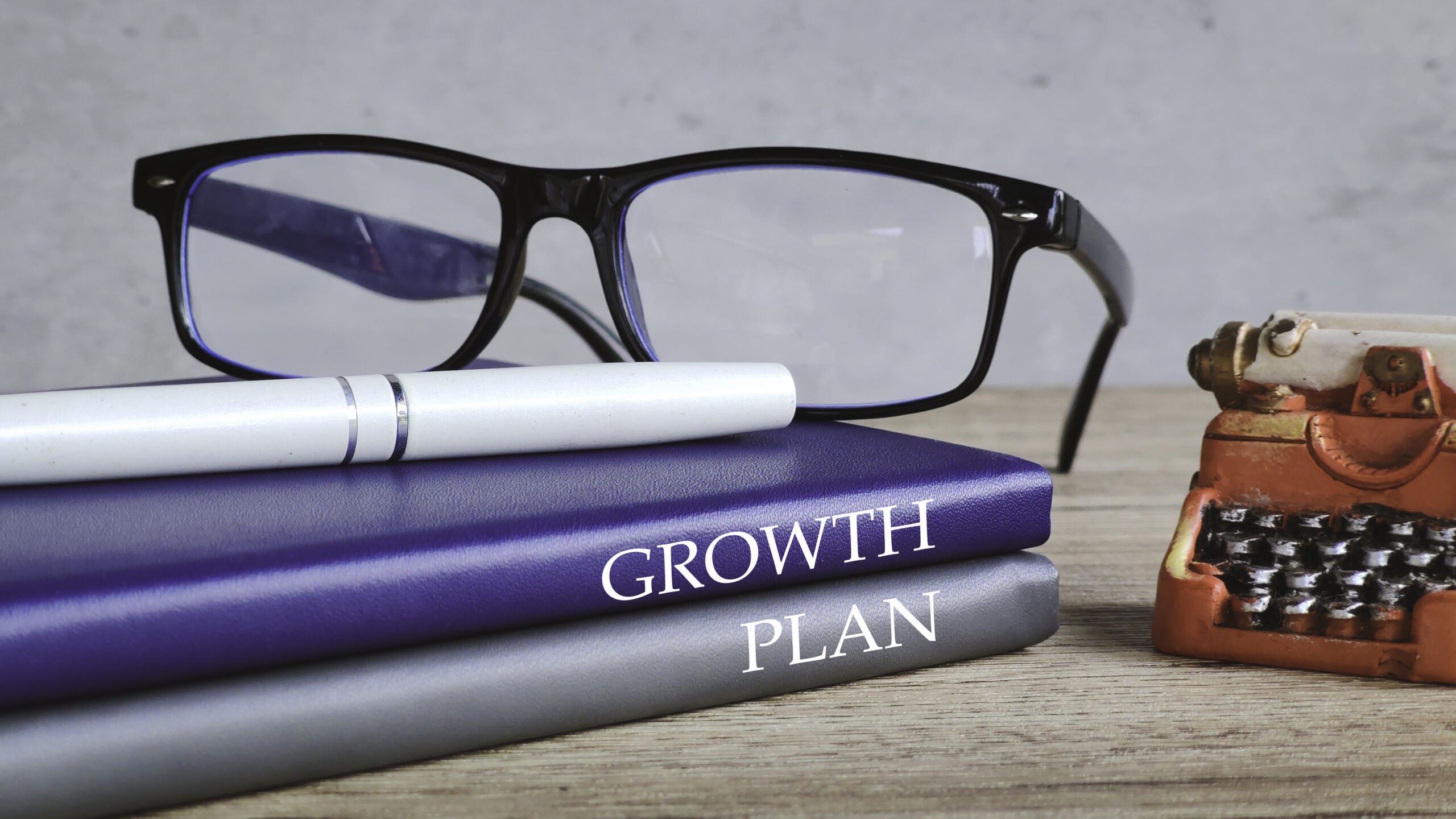
For decades, career success followed a familiar script: graduate, land an entry-level job, climb the corporate ladder, and retire after years of steady promotions. But today, that script no longer fits the realities of a rapidly evolving workforce. More professionals are questioning whether a linear path is the only way to grow. Instead, they are designing a more flexible and personalized professional growth plan that aligns with their values, interests, and life circumstances.
This shift is about redefining what growth looks like. Rather than chasing titles or rigid timelines, people are prioritizing meaningful work, continuous learning, and adaptability.
Key Takeaways
- Growth today depends more on skills and adaptability than rigid timelines.
- Success should align with personal values instead of external expectations.
- Nonlinear career moves often create stronger long-term opportunities.
- Continuous learning is essential for staying relevant in any industry.
- Flexibility allows careers to evolve alongside changing life priorities.
Why Is Career Development Important?
Career development provides direction and purpose for your career. It helps you identify your goals, build relevant skills, and make intentional decisions that align with your long-term vision. Without it, you can easily feel stuck or disconnected, but with a clear focus, you can pursue opportunities that support both your growth and overall fulfillment.
As you gain experience and continuously learn, you become better equipped to handle change and take on new challenges. More importantly, you’ll be in control of your path, allowing you to grow on your own terms rather than relying solely on traditional timelines or external validation.
Traditional Career Timelines Are Losing Relevance
The traditional career model was built during a time when stability was the norm. Employees often stayed with one company for decades, and promotions followed a predictable sequence. That environment no longer exists in the same way.
Most careers today are currently shaped by rapid technological change, global competition, and shifting business needs. Entire industries can transform within a few years. Roles that did not exist a decade ago are now in high demand, while others have faded away.
Because of this, rigid timelines can actually slow growth. If you are focused solely on advancing within a fixed structure, you may miss opportunities to pivot into emerging fields or develop new capabilities. Flexibility is no longer optional. It is a necessity.
What a Flexible Growth Plan Looks Like
A flexible growth plan is designed to adapt. Instead of outlining a strict sequence of promotions, it focuses on building capabilities, exploring opportunities, and aligning with personal goals.
This plan may include short-term and long-term objectives, but these goals are revisited regularly. A short-term goal might involve mastering a specific skill within six months, while a long-term goal could focus on transitioning into a new industry over several years.
Moreover, if a new opportunity arises that aligns with your interests, you can adjust your plan without feeling like you are falling behind. Having this mindset removes the pressure to keep up with others and lets you move at your own pace.
A flexible plan acknowledges that growth is not always upward. More often than not, moving sideways or even stepping back can lead to greater opportunities later on.
Redefining Success on Your Own Terms
When you move away from traditional timelines, you need to redefine how you measure success. This process begins with clarity about your priorities.
For some people, success includes leadership positions and financial milestones. For others, it may involve creative freedom, remote work, or the ability to spend more time with family.
To build a meaningful definition of success, consider conducting a personal audit. Write down what energizes you, what drains you, and what you want your daily life to look like. This exercise helps you identify patterns and make more intentional decisions.
As your life evolves, your priorities may shift. A role that once felt ideal may no longer align with your goals. Being open to change ensures that your growth plan remains relevant.
Building Skills Instead of Chasing Titles
A title can be impressive, but it does not always reflect your true capabilities. In contrast, skills provide lasting value. When you focus on skill development, you lay a foundation for long-term growth. These skills can be applied across roles, industries, and even entrepreneurial ventures.
Start by identifying the core competencies relevant to your goals. These may include:
- Communication and persuasion
- Strategic thinking
- Data analysis
- Leadership and team management
- Adaptability and problem-solving
Once you have identified them, create a structured approach to improving them. For example, you might dedicate time each week to learning, practicing, and applying new knowledge.
Be sure to seek feedback. Knowing and understanding how others perceive your skills can highlight areas for improvement and speed up your development.
Embracing Nonlinear Career Moves
Nonlinear career paths are becoming more common and more accepted. However, many professionals still hesitate to pursue them due to fear of judgment or uncertainty.
In reality, these moves can significantly enhance your career. They provide exposure to different environments, challenges, and perspectives. For instance, switching industries can teach you how to adapt quickly and apply your skills in new contexts. Taking on a project outside your usual responsibilities can help you develop leadership and initiative.
Career breaks can be just as valuable. Whether you use the time for travel, education, or personal projects, these experiences often lead to new insights and renewed motivation.
The key is to approach these moves with intention. Clearly define what you want to gain from the experience and how it fits into your overall growth plan.
The Role of Continuous Learning
Continuous learning ensures that you remain relevant and capable in a constantly changing environment. Learning does not have to be formal or expensive. Many professionals build their knowledge through online resources, industry events, and hands-on experience.
To make learning more effective,
- Create a system.
- Set specific goals.
- Track your progress.
- Apply what you learn in real-world situations.
This approach helps you retain information and see tangible results. If possible, explore topics outside your immediate field. This can spark creativity and provide new ways of thinking.
Creating Opportunities Instead of Waiting for Them
Rather than waiting for a promotion or new role, you can take initiative in your current position.
This might involve proposing new projects, improving existing processes, or taking on additional responsibilities. Side projects allow you to experiment, build new skills, and showcase your abilities. In some cases, these projects can even lead to new career paths.
Networking and building relationships with professionals in your field can even open doors to opportunities that may not be publicly available.
Balancing Career Growth With Personal Life
Sustainable growth requires balance. Without it, even the most successful career can feel unfulfilling. The best kind of growth plan considers your overall well-being. This includes physical and mental health, as well as personal relationships.
Setting boundaries is key. Determine how much time and energy you are willing to dedicate to work and ensure that you protect time for other priorities.
Recognize that balance may look different at various stages of your life. There may be periods when you focus more on your career and others when personal commitments take precedence.
Overcoming the Fear of Uncertainty
Uncertainty is one of the biggest challenges when moving away from traditional career paths. Without a clear roadmap, it is easy to feel unsure about your decisions.
To manage this uncertainty, focus on building a strong foundation. Develop your skills, maintain a financial safety net, and cultivate a supportive network.
It can also help to break your goals into smaller steps. This makes the process more manageable and allows you to track your progress.
Confidence grows with action. The more you explore new opportunities, the more comfortable you will become with uncertainty.
The Importance of Self-Awareness
Self-awareness allows you to make decisions that align with your strengths and values.
Regular reflection can help you stay on track. Consider keeping a journal where you document your experiences, challenges, and achievements. This practice can provide valuable insights over time. Personality assessments and feedback tools can also be useful. They offer an objective perspective on your strengths and areas for improvement.
The more you understand yourself, the better you are positioned to navigate your career.
Leveraging Networks and Relationships
Relationships can be the key to unlocking new opportunities. A strong network can provide guidance, support, and access to valuable resources.
Focus on building authentic connections. Take the time to understand others and offer support when possible. This creates a sense of trust and mutual benefit.
Mentorship is particularly valuable. A mentor offers insights based on their experience and helps you navigate challenges. Regular communication keeps your network active and supportive.
Measuring Progress Without Traditional Milestones
Without traditional markers such as promotions, measuring progress requires a different approach. Consider creating your own benchmarks. These might include completing a major project, mastering a new skill, or achieving a personal goal.
Tracking your achievements can help you stay motivated. It also provides a sense of direction and accomplishment. Most importantly, take time to evaluate what you have learned and how you have grown. This helps you identify patterns and make informed decisions.
Practical Steps to Start Your Own Growth Plan
If you are ready to create your own flexible plan, start with these steps:
- Define your values and priorities
- Identify key skills to develop
- Set short-term and long-term goals
- Create a learning strategy
- Build and maintain a network
- Regularly review and adjust your plan
These steps provide a framework that you can customize to fit your needs.
The Bottomline
A meaningful career is not defined by how closely it follows a predetermined path. The traditional career ladder is no longer the only path to success. A professional growth plan that rejects traditional timelines empowers you to take control of your future. It allows you to explore new possibilities, adapt to change, and grow in ways that truly matter.
Out with the Old, In with the New.
When it comes to career development planning, our team at Optimist Management Group Inc. will guide you in building a comprehensive strategy that reflects your strengths, goals, and evolving ambitions. We focus on practical growth, skill development, and real-world experience. That way, you can move forward with clarity and confidence.
Partner with us to position yourself for long-term professional success.